- Free Estimates

Adding a fence to your property provides security and privacy and enhances your home’s aesthetic appeal. Fence installation is a popular DIY project among homeowners who want to save money and take control of their home improvement projects. However, it can be a challenging task that requires careful planning, knowledge of the required tools and materials, and an understanding of the local regulations.
This article will provide all the information you need to successfully install a fence on your property in Newtown, CT. From planning and preparation to installing and maintaining the fence, we will guide you through each step of the process. So, whether you are a seasoned DIY enthusiast or a beginner, let’s dive in and explore the world of fence installation.
Planning is a crucial step in the fence installation process, and it’s essential to consider various factors before starting the project. Here are some key things to keep in mind while planning your fence installation in Newtown, CT:
The first step in planning for fence installation is to decide what type of fence you want. Factors such as the fence’s purpose, the level of security or privacy required, and the style of your home should be considered when choosing the fence type. Popular fence types include vinyl, wood, aluminum, and chain link fences.
Accurate measurements of the area where the fence will be installed are essential to determine the number of materials needed and estimate the project’s cost. Using a measuring tape, measure the length and width of the fence line and mark the spots where the fence posts will be installed.
Depending on the location of your property and the type of fence you want to install, you may need to acquire permits and approvals from the local authorities. Before starting the fence installation, make sure to check with the local zoning office or building department to under

The materials and tools required for fence installation in Newtown, CT, can vary depending on the type of fence you choose and the size of the installation area. Here are some of the essential materials and tools you will need for a typical fence installation project:
The cost of materials and tools for fence installation in Newtown, CT, can vary widely depending on the type of fence and the size of the installation area. A typical wood fence installation in Newtown, CT, can cost anywhere from $10 to $30 per linear foot, while vinyl or aluminum fences can cost between $20 to $40 per linear foot. Doing a cost estimation before starting the project is recommended to ensure that you have enough budget for the materials and tools required.
It’s important to note that some tools and equipment may be available for rent at local hardware stores or home improvement centers, which can help reduce the project’s overall cost. Having all the necessary materials and tools ensures that the fence installation process in Newtown, CT goes smoothly and is completed within budget.
Before starting the fence installation process, preparing the ground for the fence installation is crucial. The preparation involves clearing the installation area of any obstacles, such as rocks or vegetation, and marking the spots where the fence posts will be installed. This helps to ensure that the fence line is straight and uniform. Additionally, the ground must be level and free from debris to ensure the proper installation of the fence panels. Clearing the installation area and ensuring that the ground is level can help prevent damage to the fence and ensure a successful installation.
Setting the fence posts is a critical step in the fence installation process. Fence posts serve as the foundation for the fence and provide stability and support to the fence panels. To set the fence posts, use a post hole digger to dig holes in the ground and fill them with concrete or gravel. It’s crucial to ensure that the posts are level and plumb to ensure the fence is straight and visually appealing. Correctly setting the fence posts is essential to ensure the longevity and durability of the fence.
Once the fence posts are set, the next step is to install the fence panels. The installation involves attaching the fence panels to the fence posts using nails or screws. It’s crucial to ensure that the fence panels are level and straight to prevent gaps or unevenness in the fence line. Additionally, the fence panels must be spaced evenly to ensure that the fence is visually appealing and provides the desired level of security and privacy. Properly installing the fence panels can help ensure that the fence is functional and visually appealing for years.
After installing the fence panels, the final step is to add the finishing touches to the fence. This involves adding post caps, gate hardware, and other decorative features to enhance the appearance and functionality of the fence. Post caps add visual appeal to the fence and protect the fence posts from water damage and rot. Gate hardware ensures that the gate functions correctly and securely. Adding finishing touches can help enhance the aesthetic appeal and functionality of the fence.

After the fence installation in Newtown, CT is completed, it’s crucial to inspect the installation and perform any necessary maintenance to ensure the fence’s longevity. Here are some key things to keep in mind:
Once the fence installation is complete, scrutinize the installation to ensure that all the components are secured and functioning correctly. Check for any visible signs of damage or defects, such as loose screws or warped fence panels.
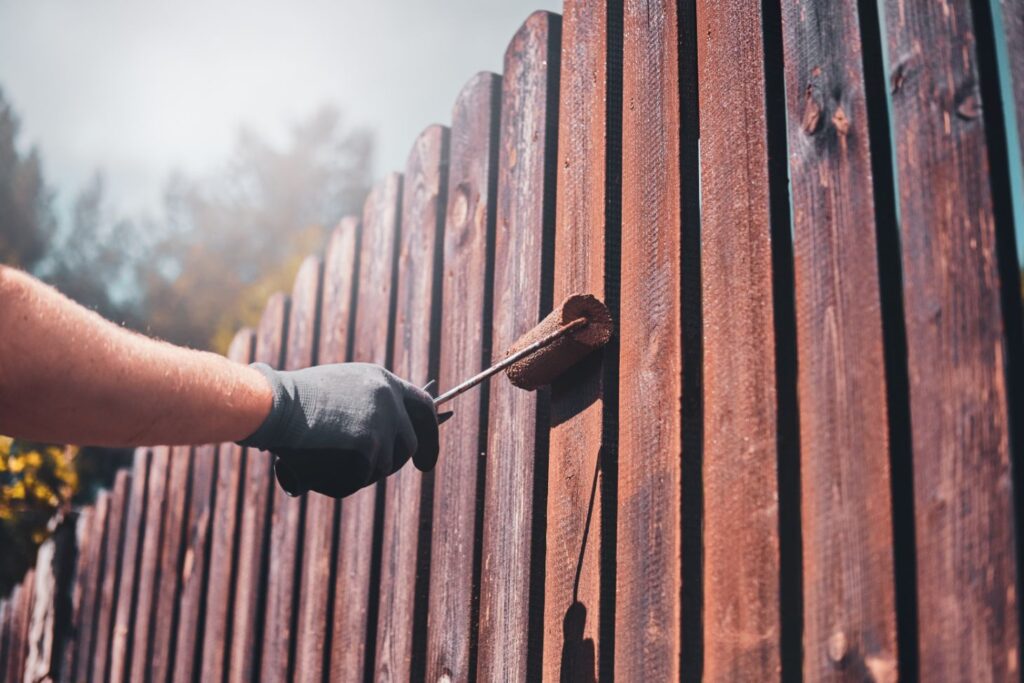
Regular maintenance of the fence can prevent damage and prolong its lifespan. Some everyday maintenance tasks include cleaning the fence panels regularly, applying a protective coating to wood fences, and trimming vegetation around the fence line to prevent damage.
If you notice any damage or wear and tear on the fence, it must be repaired as soon as possible. Repairing damages promptly can prevent the damage from getting worse and save you money on costly repairs in the long run.
By performing regular inspections and maintenance, you can ensure that your fence installation in Newtown, CT remains functional and visually appealing for years to come. It’s also important to consider any local regulations or zoning laws that may affect fence maintenance or repair.
Fence installation in Newtown, CT, can be challenging, especially for beginners. Here are some tips and tricks that can help ensure a successful DIY fence installation:
Use a string or line level to ensure that the fence panels are installed at a consistent height and alignment. This will ensure that the fence looks uniform and visually appealing.
If your property has challenging terrain, such as slopes or hills, you may need to adjust the fence panels accordingly. Use longer fence posts on the high side and shorter ones on the low side to maintain the desired height.
Common mistakes during fence installation include improper spacing of fence posts, improper alignment of fence panels, and inadequate anchoring. Follow the manufacturer’s instructions and double-check measurements before installing the fence panels.
Using the right tools and equipment can make a significant difference in the success of your fence installation. Invest in high-quality tools such as a post hole digger, level, and circular saw, and make sure to use the right type of nails or screws for the fence material.
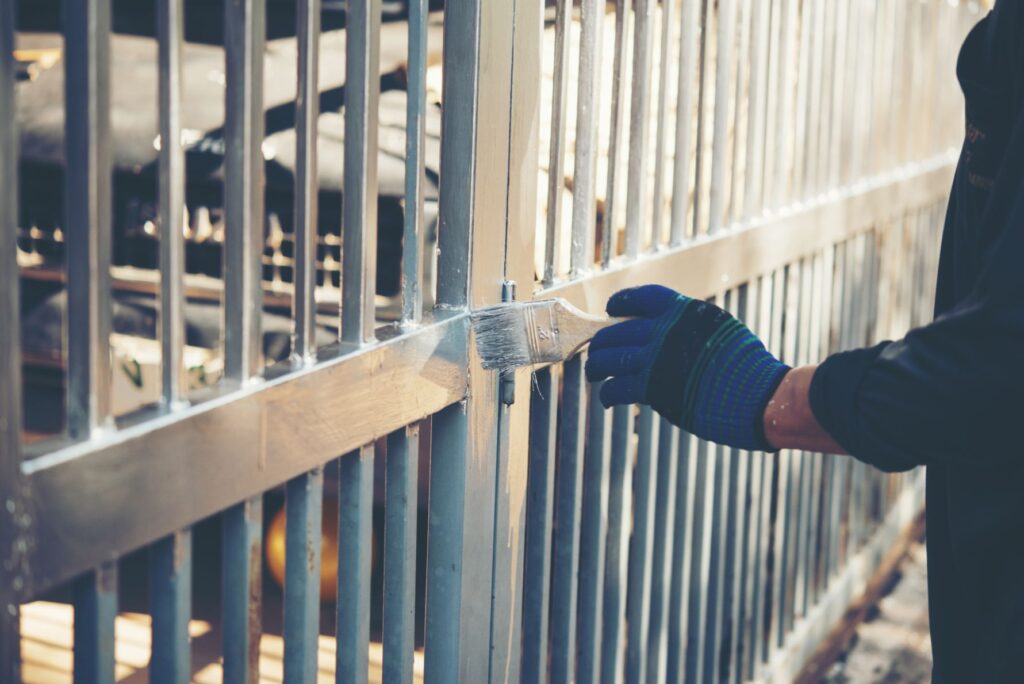
Regular maintenance and repair of the fence can extend its lifespan and ensure it continues functioning correctly. Consider adding a protective coating to wood fences, and check for any damage or wear and tear regularly.
By following these tips and tricks, you can ensure a successful DIY fence installation in Newtown, CT. Remember to take your time during the installation process and seek help if you need it.
We hope this comprehensive guide on DIY fence installation in Newtown, CT, has provided valuable insights and tips for a successful fence installation project. Whether you tackle the project yourself or hire a professional, remember that the key to a successful fence installation is proper planning, attention to detail, and quality workmanship. If you have any further questions or concerns regarding fence installation in Newtown, CT, don’t hesitate to contact Newtown Fence Contractor for expert guidance and support.